Project description
When discussing U.S. military aircraft approaching retirement, the A-10 Warthog often comes to mind, followed by the iconic F-14 Tomcat. Even the F-15, a backbone of American air power for decades, is gradually nearing the end of its service life. Now imagine a single next-generation platform designed to replace not just one of these aircraft, but all of them—a versatile, highly advanced system capable of fulfilling multiple roles across modern combat scenarios.
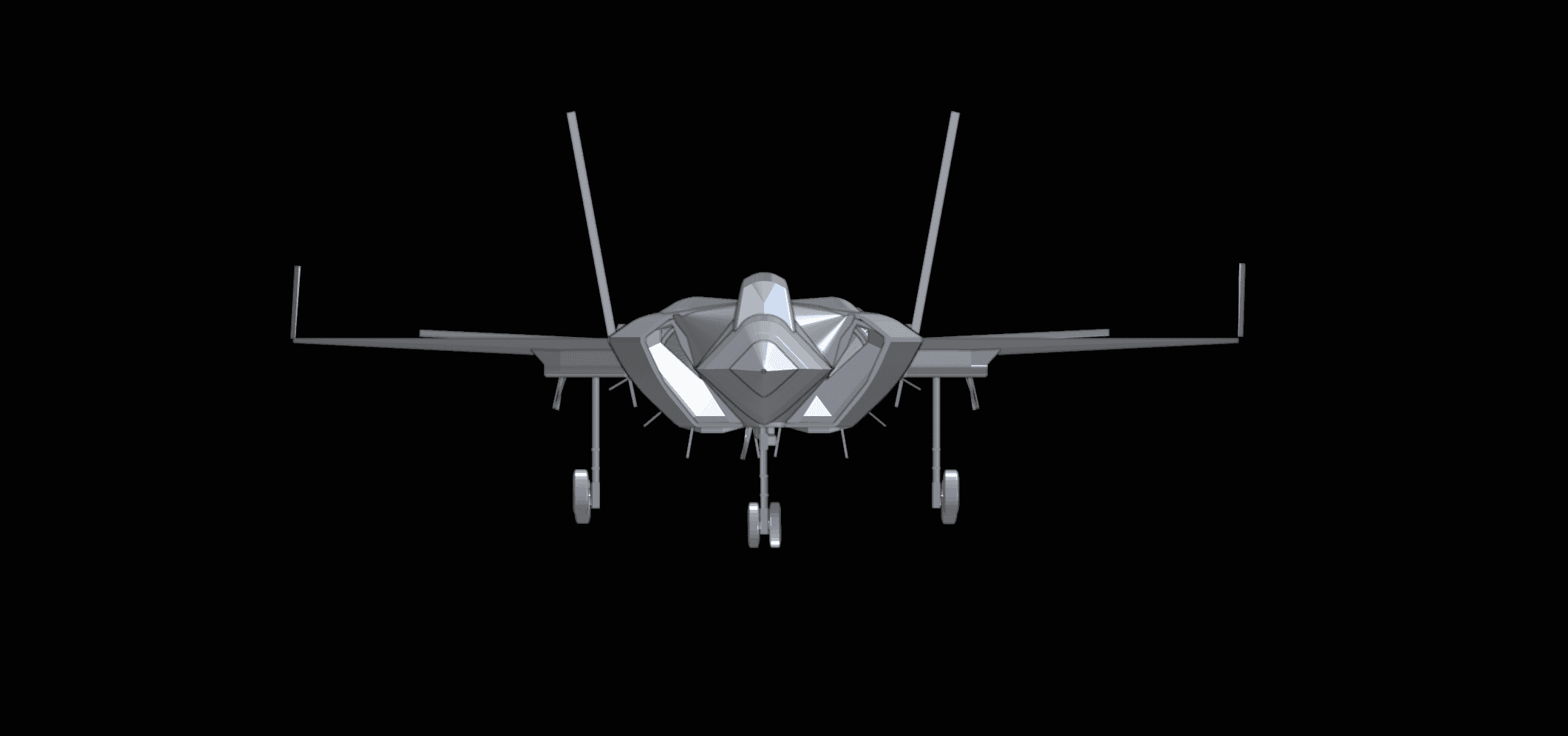
This vision is embodied in the All-Purpose Uncrewed Aircraft (APUA), also referred to as the FAXX. The APUA is conceived as a stealth-capable, unmanned combat aircraft with the sleek profile of a modern fighter jet. Beyond its futuristic design, it would feature advanced autonomy, allowing it to self-deploy, adapt to mission parameters in real time, and precisely engage targets across land, sea, and air environments.
Where legacy aircraft like the A-10 excel at close air support, the F-14 at fleet defense, and the F-15 at air superiority, the APUA aims to consolidate these roles into a single, unified platform. Its modular systems, AI-driven mission planning, and stealth characteristics would make it not only a replacement for aging airframes, but a leap forward in how the U.S. projects power in contested airspace.
The APUA isn’t just a successor, it represents the next era of air dominance: all misions, one aircraft.
When discussing U.S. military aircraft approaching retirement, the A-10 Warthog often comes to mind, followed by the iconic F-14 Tomcat. Even the F-15, a backbone of American air power for decades, is gradually nearing the end of its service life. Now imagine a single next-generation platform designed to replace not just one of these aircraft, but all of them—a versatile, highly advanced system capable of fulfilling multiple roles across modern combat scenarios.
This vision is embodied in the All-Purpose Uncrewed Aircraft (APUA), also referred to as the FAXX. The APUA is conceived as a stealth-capable, unmanned combat aircraft with the sleek profile of a modern fighter jet. Beyond its futuristic design, it would feature advanced autonomy, allowing it to self-deploy, adapt to mission parameters in real time, and precisely engage targets across land, sea, and air environments.
Where legacy aircraft like the A-10 excel at close air support, the F-14 at fleet defense, and the F-15 at air superiority, the APUA aims to consolidate these roles into a single, unified platform. Its modular systems, AI-driven mission planning, and stealth characteristics would make it not only a replacement for aging airframes, but a leap forward in how the U.S. projects power in contested airspace.
The APUA isn’t just a successor, it represents the next era of air dominance: all misions, one aircraft.
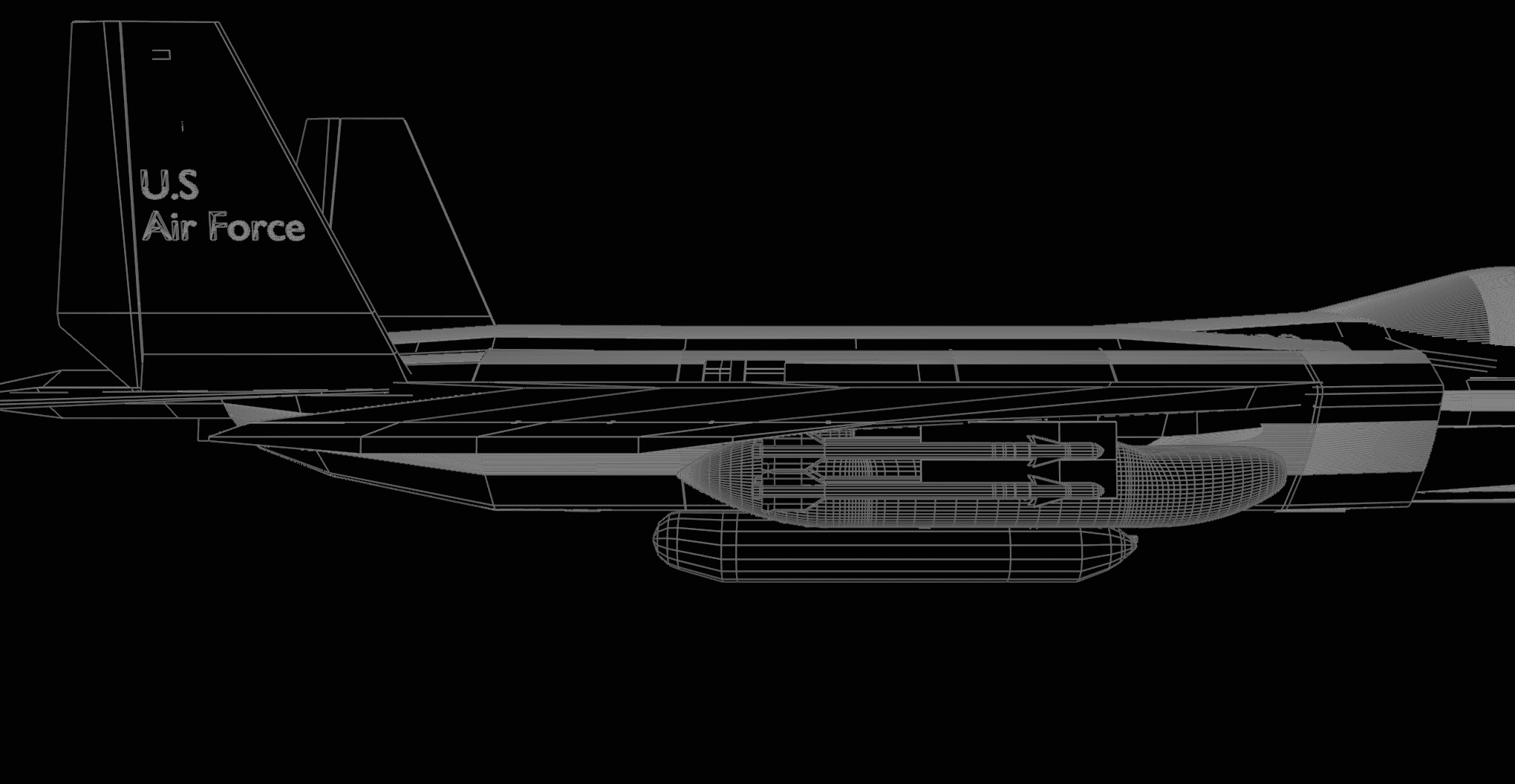
Project Updates
latest update 10/06/25
within today's update we have chosen to add a second airflow intake to the engines
update 10/01/25
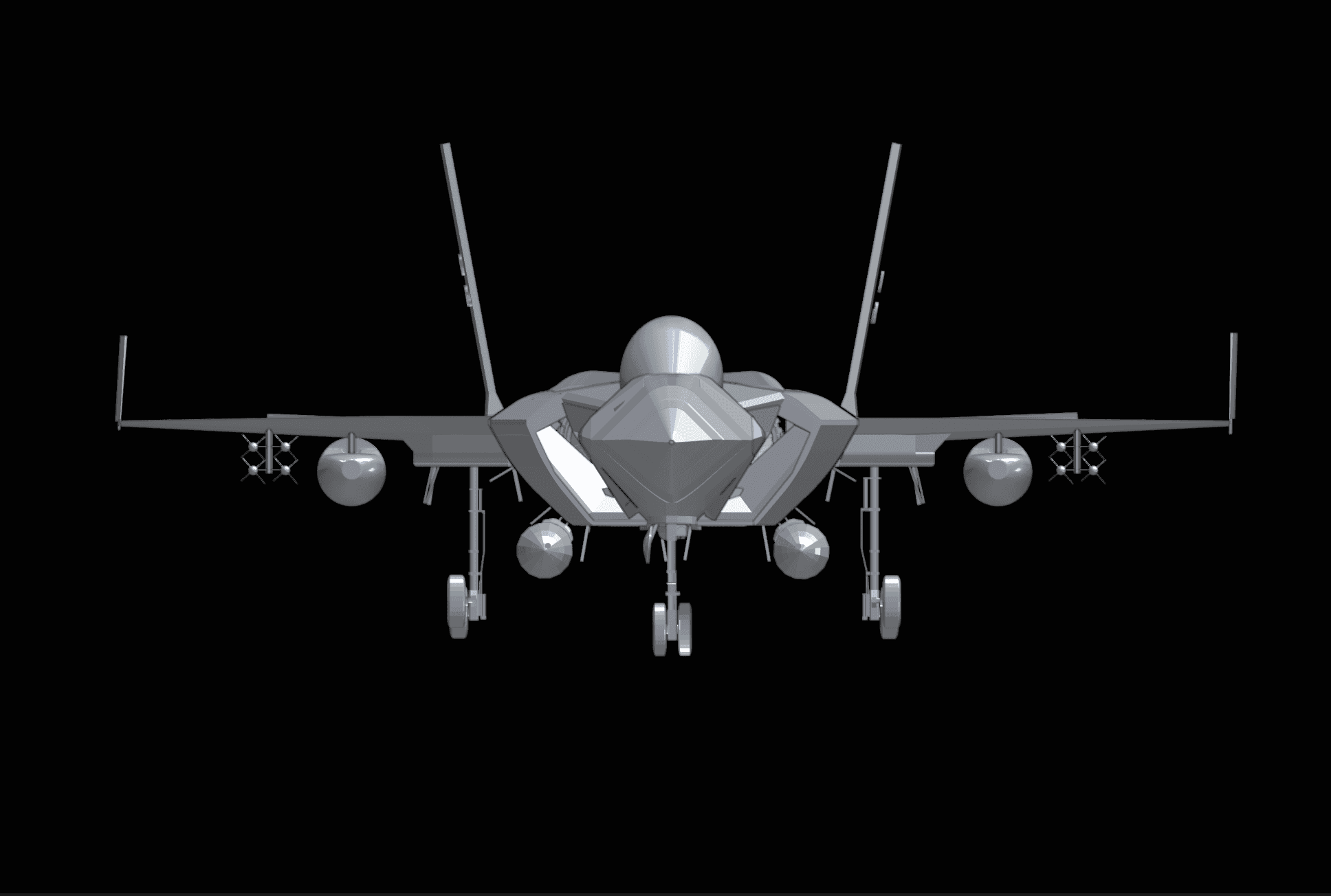
We have decided to create 2 versions for the project, a thicker and slicker body version
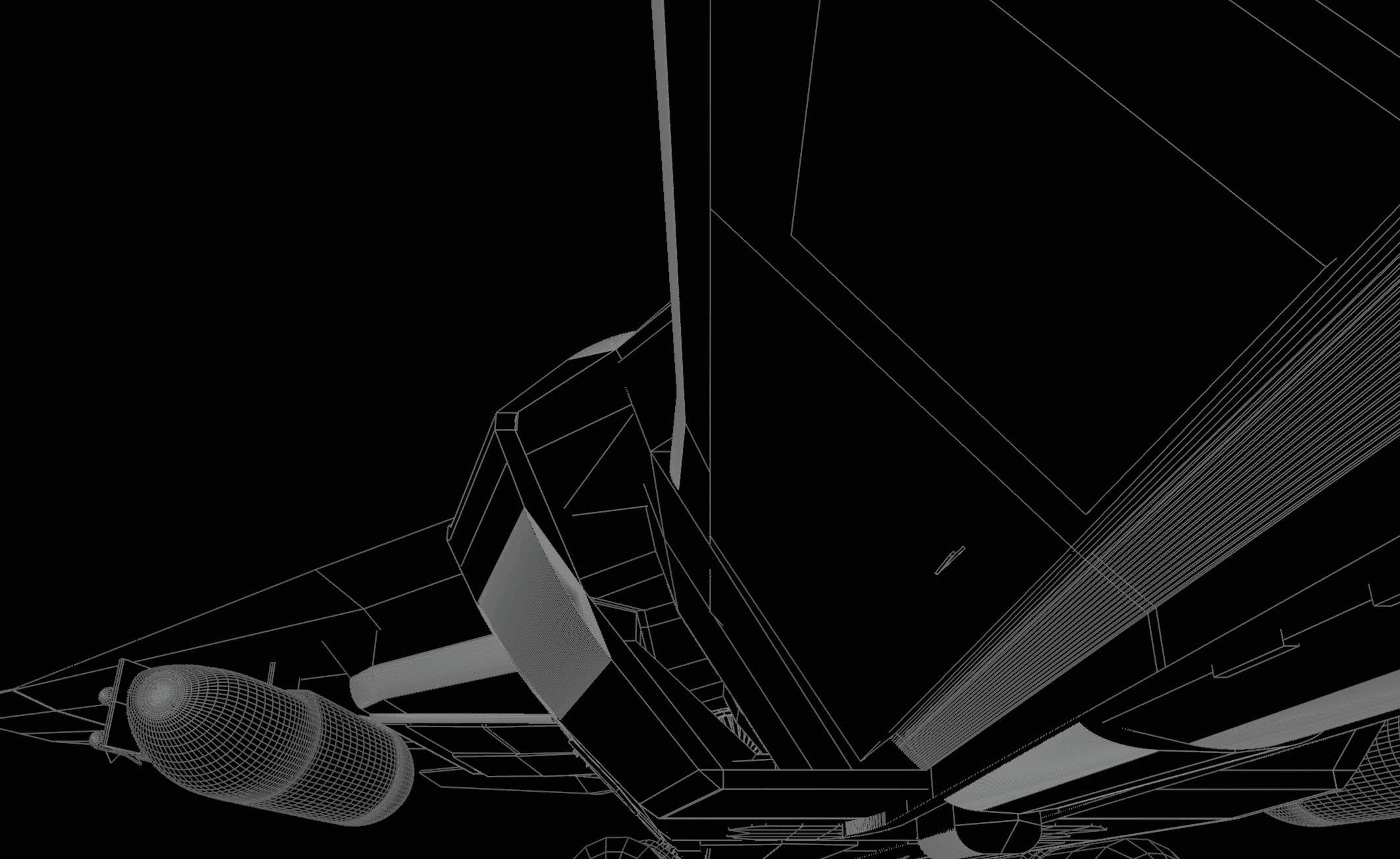
Project Details
-Aircraft name: F/A-XX or APUA
-Max flying distance: around 800 miles
-Missiles bay: 4
-2 nextgen Super-power gatlin guns
-Max payload capacity: around 1.6 to 2 tons
-Versions: 2 , one V wing version and a normal tail configuration
-Engines: 2 FNEXG engines with a max thoarst to weight ratio of 1.2
-Tripulation: crewed or uncrewed (modular)
-Settings: Air to air attack, air to land attack, bomber, stealhy recognizance, aircraft carrier ready
-Extras: Foldable wings for aircraft carrier readiness
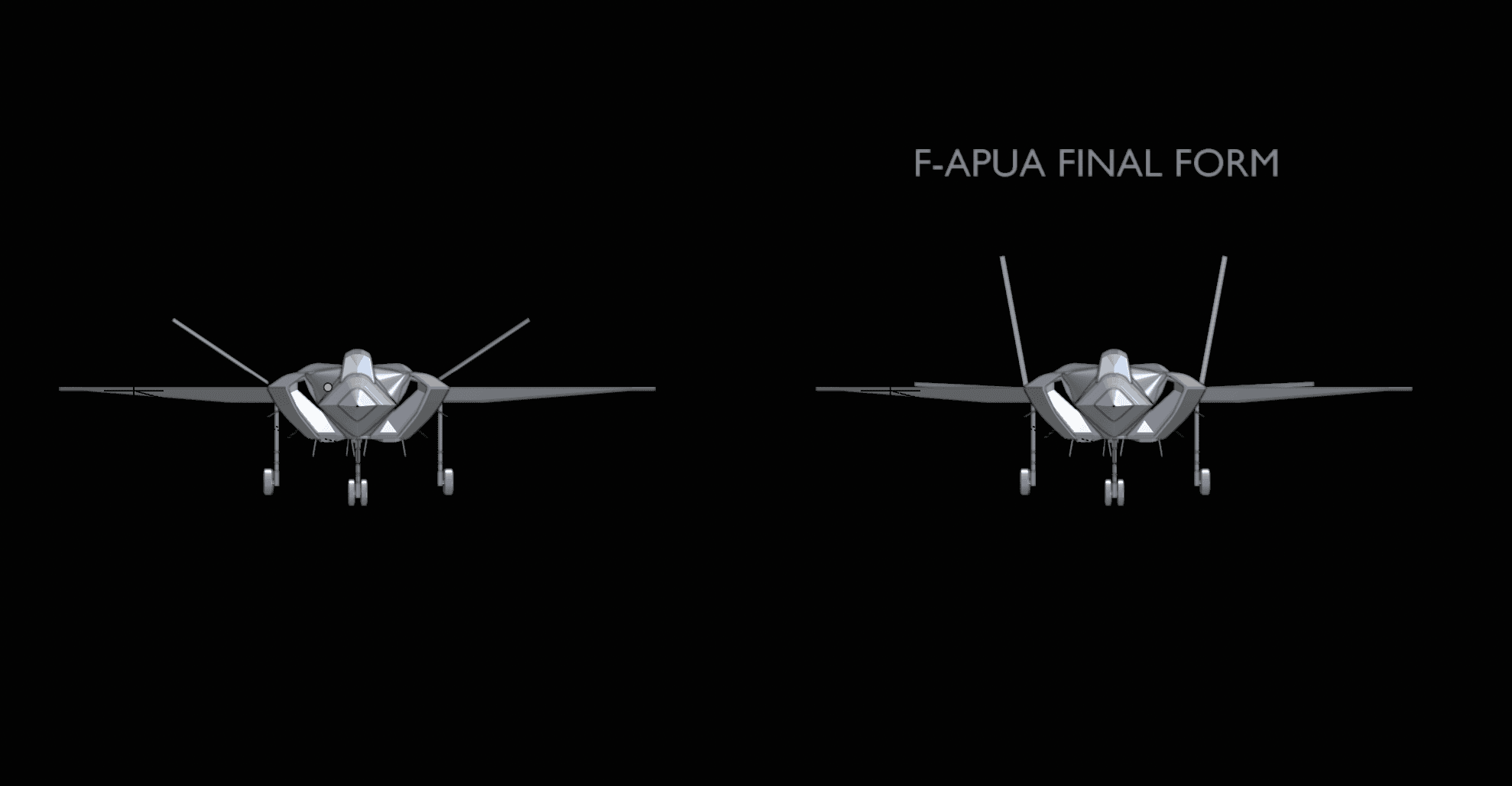
#BACKTO2ENGINES
The APUA project incorporates a twin-engine configuration derived from the powerplant technology used in the F-35 program, adapted and enhanced to meet the aircraft’s expanded performance requirements. While the F-35 operates with a single high-thrust engine, the APUA’s larger airframe and increased payload capacity demanded a greater combined power output, improved redundancy, and superior thrust-to-weight balance. By integrating two advanced engines, the design not only achieves higher overall thrust but also enhances reliability, maneuverability, and sustained performance under high-load conditions—key advantages for both long-range strike and high-speed tactical missions.
The APUA will be the first aircraft of its class to feature a multi-intake airflow system, designed to optimize engine performance and efficiency across all flight regimes. Unlike traditional single-intake configurations, the APUA integrates multiple precisely positioned air inlets that work together to deliver a steady, balanced airflow to both engines. This innovation not only enhances thrust consistency at high speeds but also improves cooling, reduces pressure loss, and increases overall engine responsiveness. The result is a more efficient propulsion system capable of sustaining peak performance during demanding maneuvers, long-range missions, and varying atmospheric conditions.
T
#BACKTO2ENGINES
The APUA project incorporates a twin-engine configuration derived from the powerplant technology used in the F-35 program, adapted and enhanced to meet the aircraft’s expanded performance requirements. While the F-35 operates with a single high-thrust engine, the APUA’s larger airframe and increased payload capacity demanded a greater combined power output, improved redundancy, and superior thrust-to-weight balance. By integrating two advanced engines, the design not only achieves higher overall thrust but also enhances reliability, maneuverability, and sustained performance under high-load conditions—key advantages for both long-range strike and high-speed tactical missions.
The APUA will be the first aircraft of its class to feature a multi-intake airflow system, designed to optimize engine performance and efficiency across all flight regimes. Unlike traditional single-intake configurations, the APUA integrates multiple precisely positioned air inlets that work together to deliver a steady, balanced airflow to both engines. This innovation not only enhances thrust consistency at high speeds but also improves cooling, reduces pressure loss, and increases overall engine responsiveness. The result is a more efficient propulsion system capable of sustaining peak performance during demanding maneuvers, long-range missions, and varying atmospheric conditions.
T
A
P
U
A
T
H
E
O
N
E
A
I
R
C
R
A
F
T
APUA
P
R
O
J
E
C
T
Jean Gomez
ProjectsHub
Social media
Pixieset
In this page
CAD Projects
Starland Game Design
Work Projects
THE END
APUA
P
R
O
J
E
C
T
APUA
P
R
O
J
E
C
T
APUA
A
P
U
A
M
E
E
T
APUA
A
P
U
A
M
E
E
T
APUA
P
R
O
J
E
C
T
Jean Gomez
ProjectsHub
Social media
Pixieset
In this page
CAD Projects
Starland Game Design
Work Projects
THE END
A
P
U
A
T
H
E
O
N
E
A
I
R
C
R
A
F
T